
First Appearance Hearings in Florida
A first appearance is the first time a person sees a judge after being arrested in Florida, and by law it has to happen within 24 hours. It is a short hearing, usually conducted by video from the jail, where the judge reviews the arrest, informs the person of the charges and their rights, and (in most cases) sets the terms of release, including bail.
Who Has to See a Judge Before Being Released?
Many people never have to wait for a first appearance because the county keeps a bond schedule that lets common charges be posted soon after booking.
Certain charges and situations require a judge to rule first. If you are not sure which situation applies, the jail or a licensed local agent can confirm whether a bond is already available or whether the person has to wait for the judge.
A first appearance is generally required when any of these apply:
- Domestic violence and related charges, since Florida law requires anyone arrested for an act of domestic violence to be held until they see a judge
- Serious felonies that are not listed on the county bond schedule, including capital and life felonies, where only a judge can decide whether bond is possible
- A new arrest that happens while the person is already out on bond, or while on probation or parole
- A violation of a protective injunction or a no contact order
- An out of county or out of state warrant or hold attached to the arrest
- Charges that carry a mandatory holding period, such as DUI, before any release is allowed
How Soon Does First Appearance Happen After an Arrest?
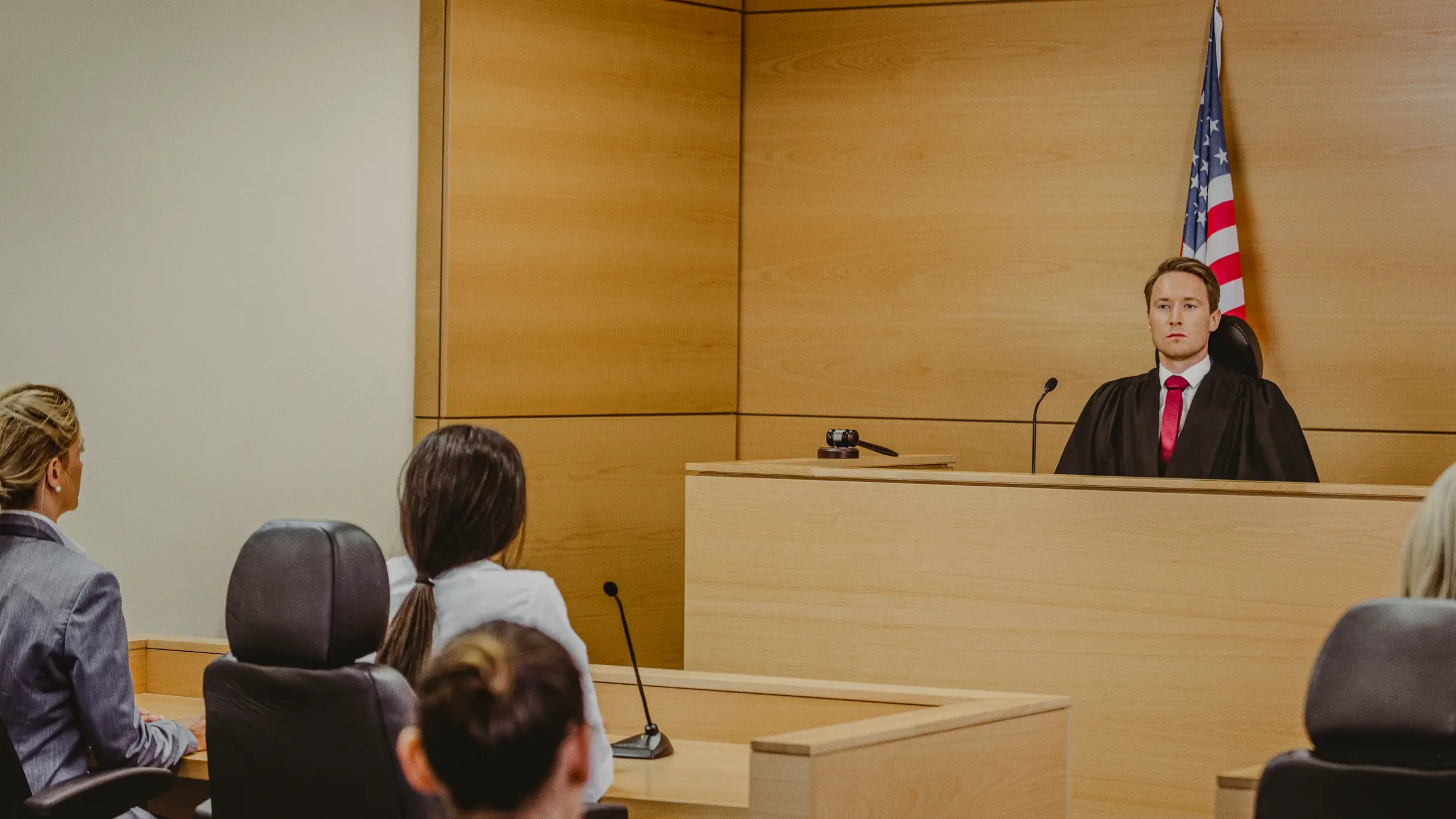
Florida requires that a person be brought before a judge within 24 hours of arrest. Most counties hold these hearings once or twice a day, including weekends and holidays, so the timing depends on when the arrest and booking were finished. Someone booked late at night may not see a judge until the next scheduled session the following morning.
What Happens at a First Appearance Hearing?
The judge confirms the person understands the charges and advises them of their rights, then looks at whether there was probable cause for the arrest. If the arrest holds up, the judge moves to the question most families are waiting on, which is how the person can be released. The whole hearing often lasts only a few minutes, but it sets everything that follows.
What Does a Judge Consider When Setting Bail?
A judge is weighing two things at once: whether the person is likely to show up for future court dates, and whether releasing them poses a risk to anyone. Florida law gives the court a list of factors to work through rather than a single formula, which is why two people facing the same charge can leave with very different bail amounts.
The nature of the charge and how strong the evidence looks carry a lot of weight, since a more serious accusation raises both concerns. From there the judge looks at the person’s ties to the area, including how long they have lived here, whether they have steady work, and whether family depends on them, because someone rooted in the community is less likely to disappear. Past record matters too, especially any history of missing court dates or prior convictions, as does whether the person was already out on bond, on probation, or on parole when the new arrest happened.
The judge may also consider where the bail money is coming from, any sign the person could be a danger to a specific individual, and in drug cases the quantity involved. While none of these points decide the outcome on their own, the judge balances them all as part of their decision.
What Does the Judge Decide at First Appearance?
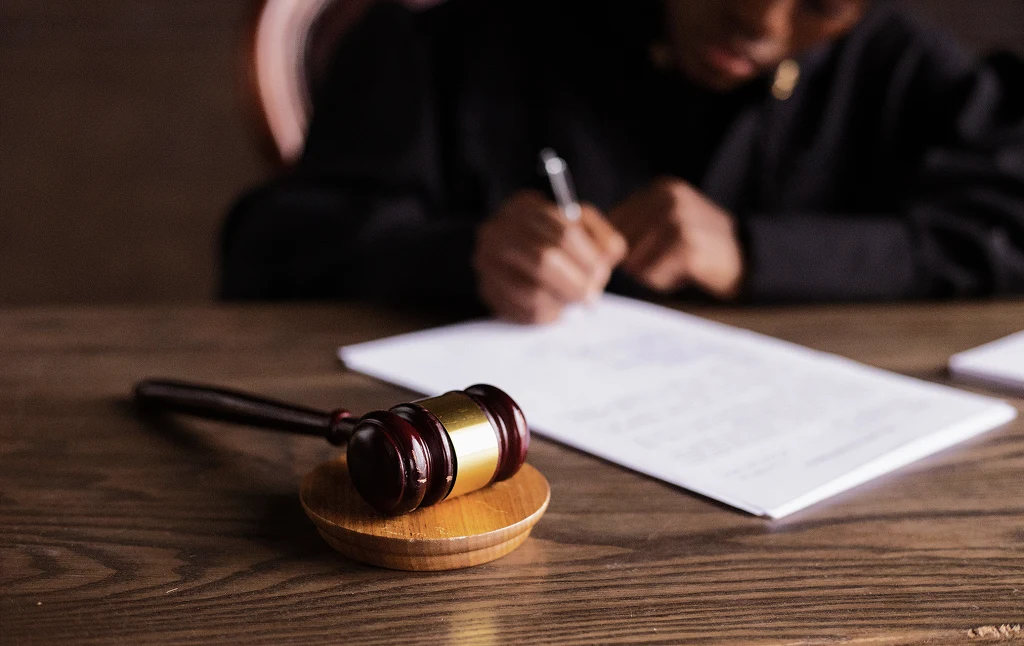
This is where the terms of release are set. The judge can assign a bond amount, release the person on their own recognizance with no money required, or in some cases order that they be held with no bond at all. The judge may also attach conditions, such as no contact with an alleged victim, surrender of a passport, or pretrial supervision. Once a dollar amount is set, that is the number a bail bond is written against.
What You Can Do Before the Hearing
The families who move fastest are the ones who have the details in hand before bail is even set, so there is no scramble afterward. With those in place, the moment the judge sets a bond, the agent can confirm the amount and begin the paperwork without delay.
Before the hearing, it helps to have:
- The full legal name and date of birth of the person in custody
- The county and the jail where they are being held
- The charges, if you already know them
- A licensed local agent you have already spoken with

What Happens After Bond Is Set
Once the judge sets a bond, a licensed agent can post it with the court or the jail. From there, how quickly the person walks out depends on the facility’s processing time, which varies by county and by how busy the jail is that day.
When Bail Is Set Before First Appearance
Not every arrest waits for a judge. Many common charges in Florida already carry a bond listed on the county bond schedule, which means it can be posted soon after booking and the person released before a first appearance ever takes place. Whether that applies comes down to the specific charge, and a quick call to a licensed agent is the fastest way to find out which situation you are in.