
Bail Bonds for Domestic Violence Charges

An arrest for domestic violence in Florida is handled with immediate court oversight. In many counties, the defendant must appear before a judge who determines whether bail will be granted and under what conditions instead of being assigned through a standard schedule. Because these cases involve allegations between household or family members, courts often impose additional restrictions at the time bond is set.

Domestic violence charges may include allegations of battery, aggravated battery, assault, stalking, false imprisonment, or other offenses when the alleged victim is a spouse, former spouse, family member, co-parent, or someone residing in the same household. Under Florida Statute 741.28, domestic violence is defined by the relationship between the parties and the nature of the alleged act.

Once bail is set, a licensed bail agent can post the bond so the defendant can be released while the case proceeds. Release allows the individual to consult with counsel and prepare for court outside of custody.
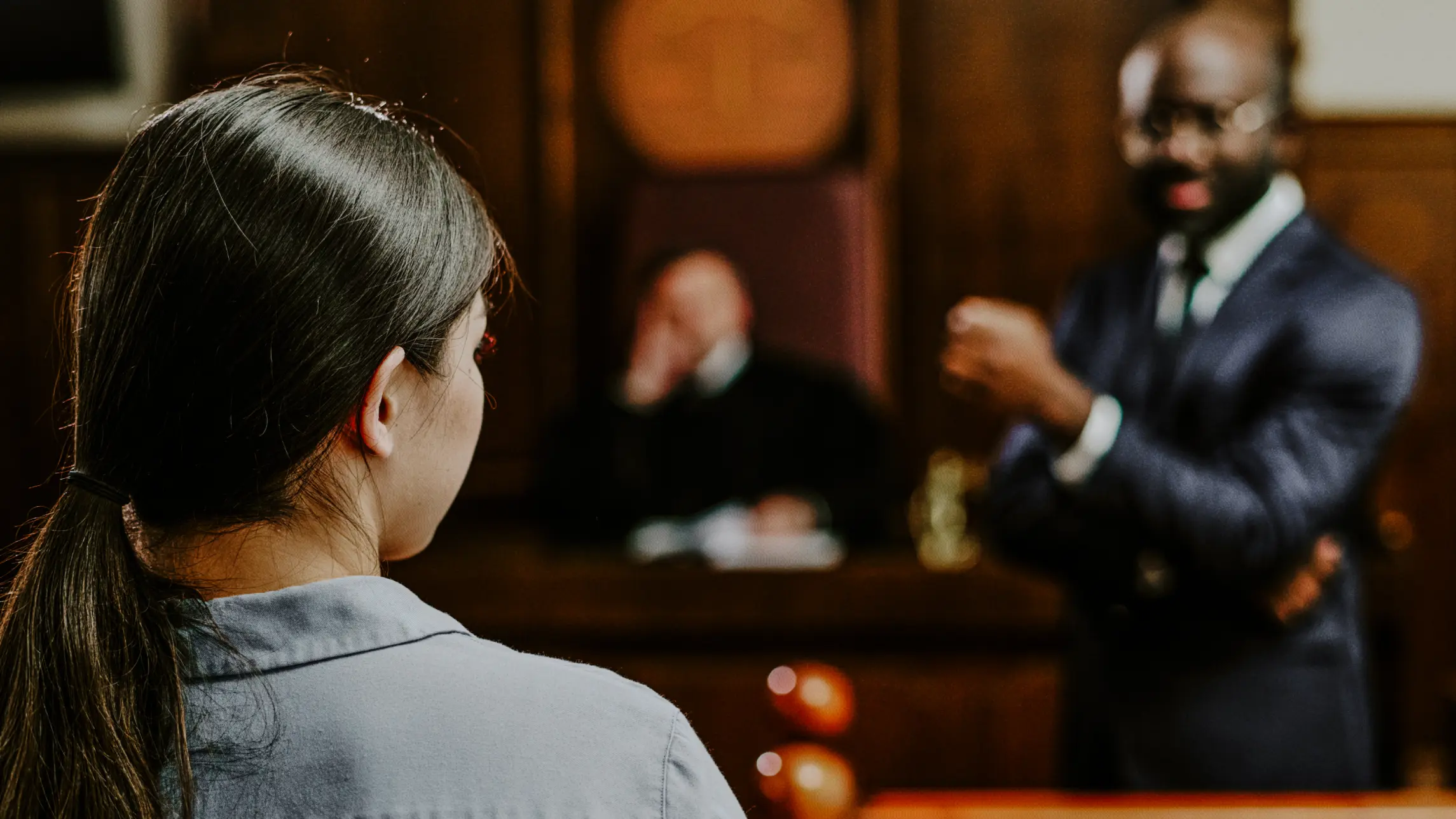

Woman standing on trial before judge and jury

How Bail Is Set in Domestic Violence Cases

In Florida, a person arrested for domestic violence must appear before a judge for a first appearance hearing. Bond is typically reviewed at that hearing rather than automatically applied through a preset bail schedule.

The judge may consider the severity of the alleged conduct, whether injuries were reported, prior history between the parties, prior convictions, risk of flight, and public safety concerns. In some cases, the court may impose a “no bond” hold until first appearance. If bail is granted, the court will set both the financial amount and the conditions of release.

No-Contact Orders and Release Conditions

Domestic violence bonds almost always include a no-contact order. This means the defendant may not have direct or indirect contact with the alleged victim. That restriction can include phone calls, text messages, third-party communication, or returning to a shared residence.

Additional conditions may include:

  • Surrender of firearms or weapons
  • GPS monitoring
  • Pretrial supervision
  • Substance abuse evaluation
  • Restrictions on returning to the home

Violating a no-contact order can result in immediate re-arrest and revocation of bond. Even if both parties want contact, only the court can modify the order.

Why These Cases Are Treated Differently

Domestic violence cases are treated differently because they involve an identified alleged victim with an existing relationship to the defendant. Courts often prioritize protective measures at the bond stage.

In some counties, prosecutors may request higher bond amounts or additional restrictions based on prior incidents or protective orders. Judges have discretion to tailor bond conditions to the specific facts presented at first appearance.

Once the bond is set and conditions are clear, the bail bond process can begin.

Child listening to parents arguing around her

What to Expect After Bond Is Granted

After first appearance, the detention facility confirms the bond amount and court-ordered conditions. A licensed bail agent prepares the required documentation and posts the bond with the jail.

Release processing begins once the bond is accepted. Timing depends on the facility’s internal procedures and workload.

24-Hour Bail Bonds for Domestic Violence Charges

Domestic violence arrests often occur late at night or on weekends. BailBonds.com is available 24 hours a day to begin the bond process as soon as the court sets bail.

Our agents confirm the bond amount, verify release conditions, and coordinate directly with the detention facility. You will be routed to a licensed bail agent familiar with local domestic violence procedures so the process moves forward efficiently.

Call now to speak with a licensed bail bond agent and start the process immediately.