
Bail Bonds for Weapons Violations
Weapons charges in Florida cover a wide range of allegations, from unlawful carrying and improper exhibition to possession by a prohibited person or use of a weapon during another offense. That range matters because bail is not driven by the phrase “weapons charge” alone. The court looks at the exact statute, the type of weapon involved, whether the allegation includes possession, use, discharge, or concealment, and whether the defendant was already barred from possessing a weapon. Florida’s weapons laws are primarily found in Chapter 790 of the State Statutes.
Many lower level weapons cases begin with issues such as concealed carry violations, improper exhibition, or possession in a prohibited place. Other cases are treated much more seriously from the start, especially when the charge involves a firearm possessed during another crime, a weapon on school property, an altered serial number, or possession by a convicted felon. Those differences directly affect bond. A misdemeanor level allegation may move through a standard schedule. A felony weapons case often receives closer judicial review and a substantially higher bond. Chapter 790 contains offenses ranging from carrying concealed weapons and open carrying to possession by felons, school zone restrictions, discharge offenses, and serial number violations.
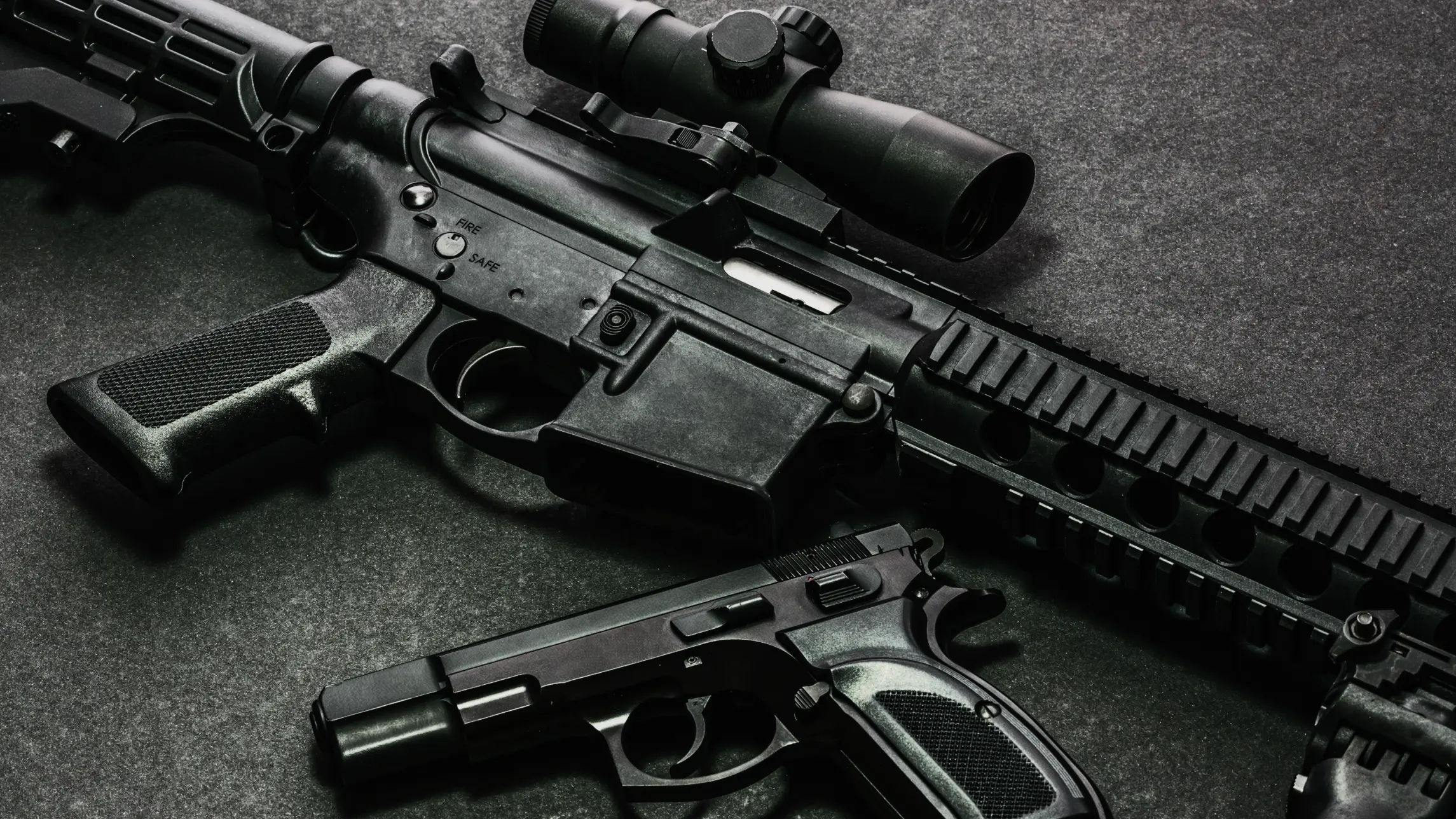
How Florida Courts Approach Bail in Weapons Cases
In many counties, routine misdemeanor weapons allegations may start with a preset bond amount. That changes quickly when the court sees aggravating facts. Judges frequently focus on whether the weapon was allegedly used, displayed, loaded, carried during another criminal offense, or connected to a prior disqualifying conviction. A simple possession allegation is treated differently than a charge under section 790.07 involving a weapon during the commission of another offense, and both are treated differently from a charge under section 790.23 involving possession by a felon. Those distinctions exist within the same chapter, but they produce very different bond outcomes.
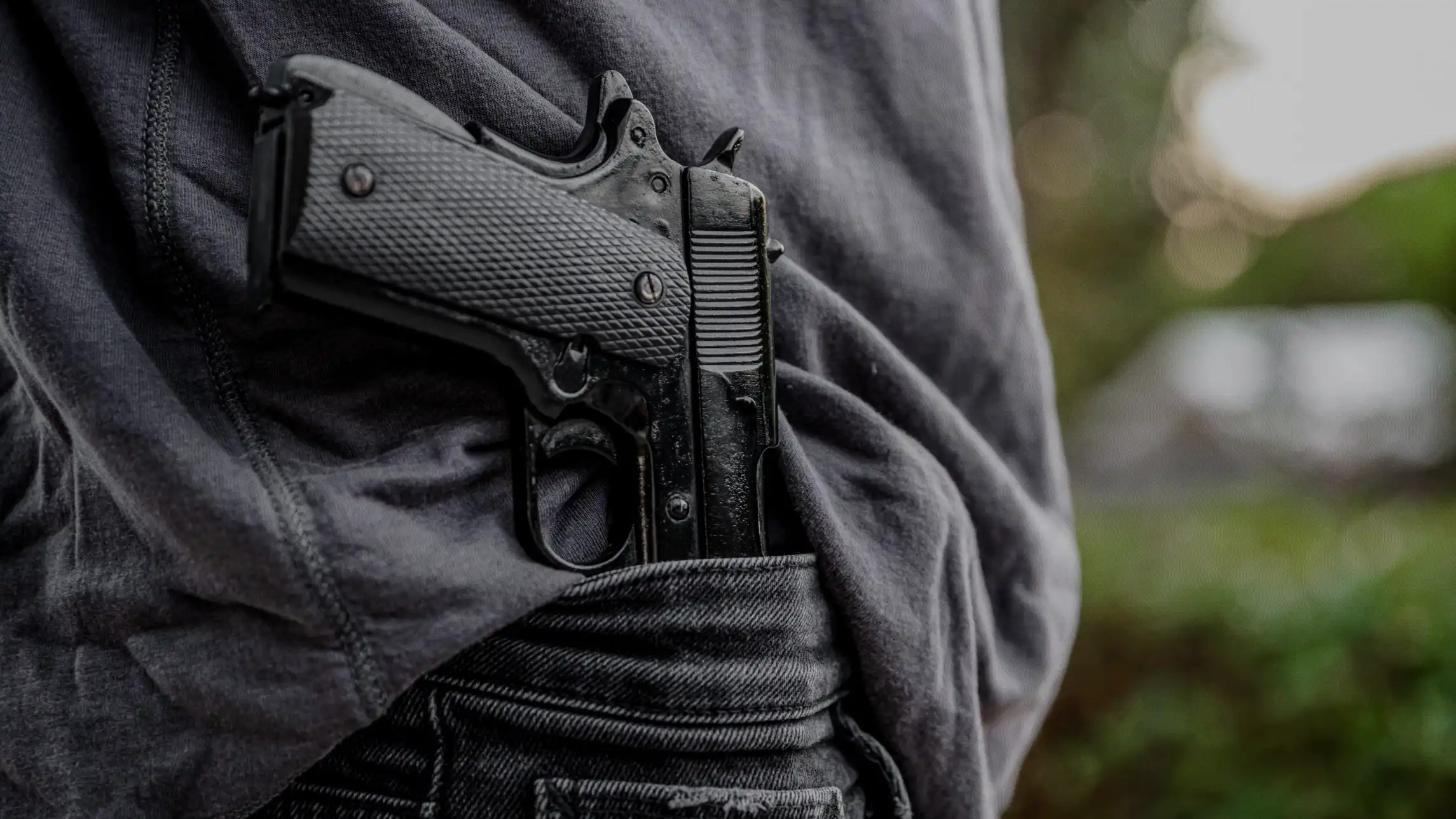
Weapons cases also tend to produce stricter release conditions than other nonviolent charges. The court may prohibit possession of firearms or ammunition while the case is pending, require surrender of existing weapons, or impose stay away and no contact conditions if the case arose from a domestic or interpersonal incident. In more serious cases, especially where a weapon is alleged to have been discharged or used to threaten another person, the judge may require first appearance review before bond is confirmed. That is one reason weapons cases should not be treated like routine county bond matters. The legal label may sound narrow, but the facts drive the bond decision.