
Bail Bonds for Public Intoxication Charges

In Florida, what is commonly referred to as “public intoxication” is typically charged as Disorderly Intoxication under Florida Statute 856.011. An arrest usually occurs when law enforcement alleges that a person was intoxicated in a public place and either endangered the safety of another person or property, or caused a public disturbance. While the charge is generally classified as a second-degree misdemeanor, the surrounding circumstances often determine how the court approaches bail.

Once bail is set, a licensed bail agent can post the bond so the defendant can be released while the case proceeds through the court system.


Person passed out from drinking clutching beer bottle

What Constitutes Disorderly Intoxication in Florida

Under Florida law, intoxication alone is not enough for arrest. The statute requires more than simply being under the influence in a public place. The alleged conduct must involve either endangering the safety of another person or property, or causing a public disturbance, and this distinction matters. Courts review the specific facts of the arrest, including police reports and witness statements, when determining bond. A quiet individual who is intoxicated but not disruptive is treated differently than someone involved in a fight, property damage, or aggressive behavior.

How Bail Is Determined in Public Intoxication Cases

In most counties, a standard misdemeanor bond schedule applies to disorderly intoxication charges. However, bond may increase when additional allegations are involved, such as:

  • Resisting an officer
  • Disorderly conduct
  • Battery
  • Criminal mischief
  • Open container violations

If the arrest includes multiple charges, the total bond amount reflects the combined allegations. Judges may also review prior alcohol-related arrests or probation status before confirming bond at first appearance. If bail is granted, a licensed bail agent can post the required amount so release can occur.

When Public Intoxication Leads to Additional Legal Exposure

Although disorderly intoxication is typically a misdemeanor, the situation can escalate quickly depending on the conduct involved. Incidents tied to fights, injuries, property damage, or refusal to comply with officers often result in multiple charges.

In some cases, a person may be held until sober even if bond is preset. This is not a statutory eight-hour hold like DUI, but detention facilities may delay release until the individual is medically cleared or no longer visibly impaired. Understanding whether additional charges are attached to the case is critical when determining total bond.
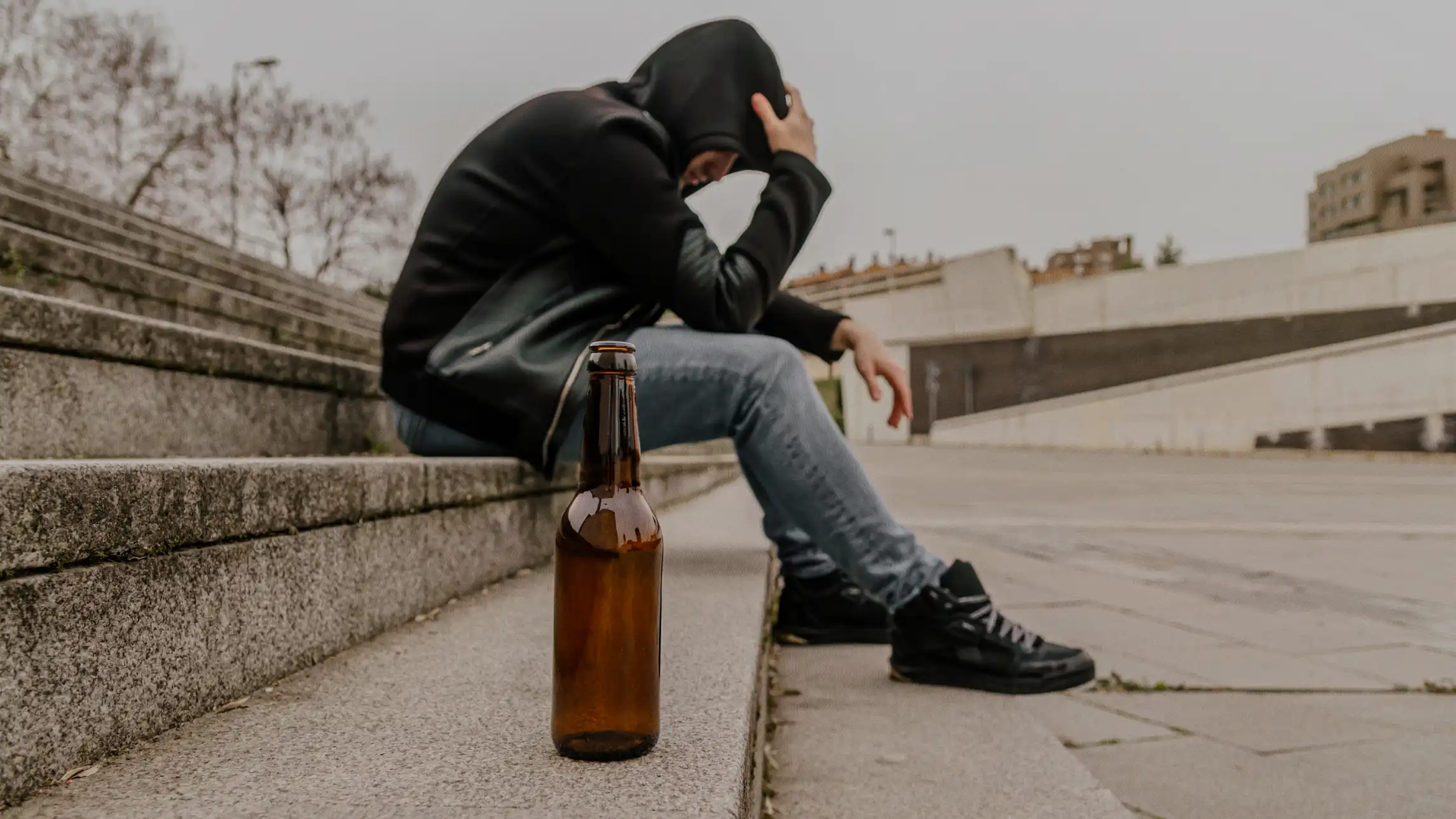
Person hiding in a hoodie drinking from beer bottle on the street

What to Expect After an Arrest for Disorderly Intoxication

After arrest, the individual is transported to a detention facility for booking. Identifying information is recorded and the charge is entered into the system. Bond is typically assigned through a misdemeanor schedule unless judicial review is required.

Once the bond amount is confirmed, a licensed bail agent prepares the documentation and posts the bond. After acceptance, the facility begins release processing. Timing depends on jail procedures and workload.

24-Hour Bail Bonds for Public Intoxication Charges

Alcohol-related arrests frequently occur late at night, during events, or on weekends. BailBonds.com is available 24 hours a day to begin the bond process as soon as bail is confirmed.

Our agents verify the bond amount, confirm the detention facility, and coordinate directly with jail staff to initiate release. You will be routed to a licensed bail agent familiar with local procedures so the process moves forward efficiently.

Call now to speak with a licensed bail bond agent and start the process immediately.