
Bail Bonds for Motor Vehicle Theft

An arrest for motor vehicle theft can lead to immediate detention, especially when the allegation involves a stolen car, truck, or motorcycle. In Florida, these charges are often classified as felony offenses due to the value of the vehicle involved. Once bail is set, a motor vehicle theft bail bond can be used to secure release from custody while the case moves through the court system.

Motor vehicle theft bail bonds allow a licensed bail agent to post the required bond amount on behalf of the defendant. Instead of remaining in jail while the case proceeds, the individual can return home, consult with legal counsel, and prepare for upcoming court appearances. Acting quickly after bail is assigned can help reduce unnecessary time in custody.
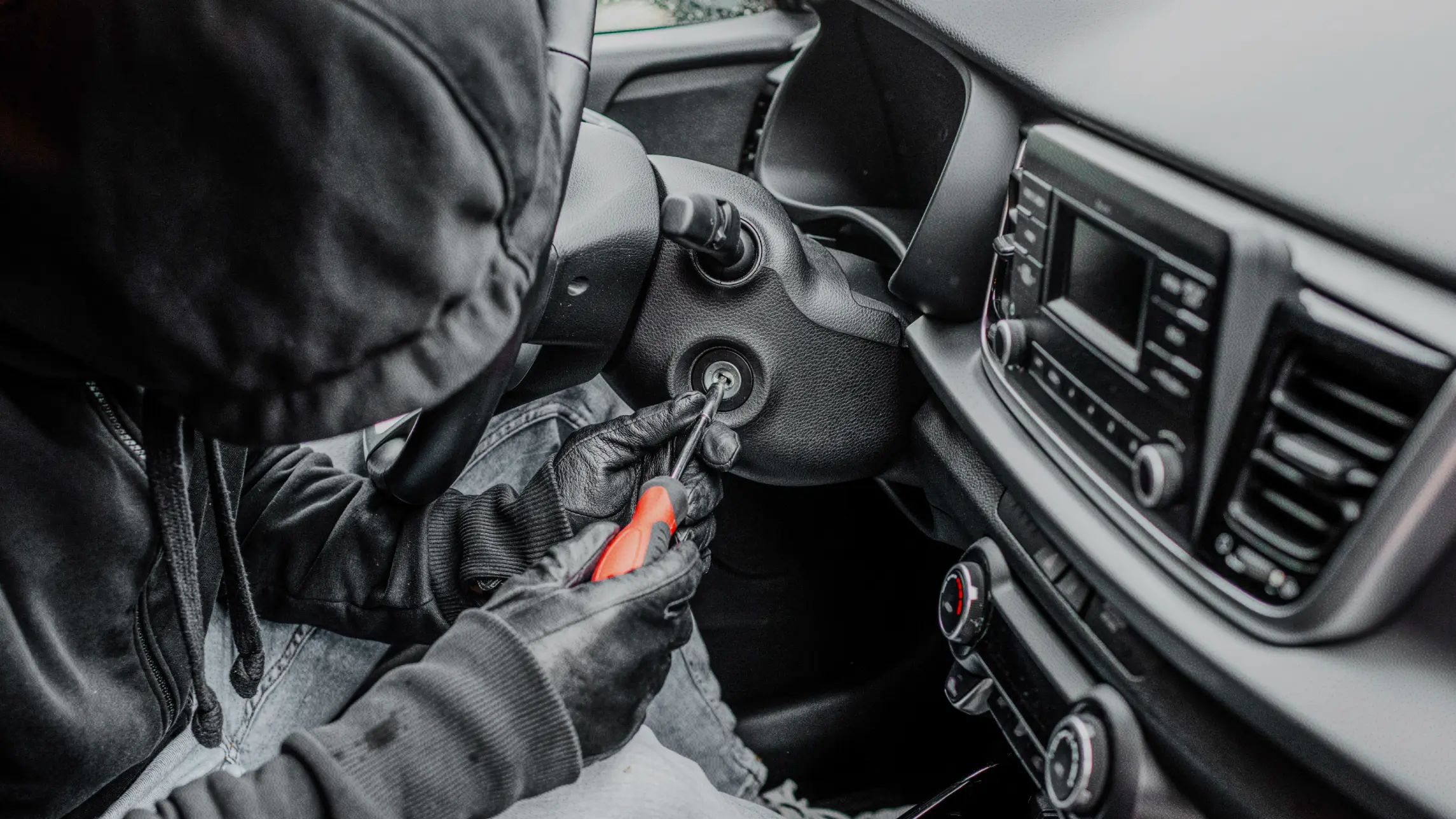

Person with gloves on carjacking a vehicle dressed in all black

How Bail Bonds Work for Motor Vehicle Theft Charges

After an arrest for motor vehicle theft, the detention facility begins the booking process. Identifying information is recorded, fingerprints are taken, and the charges are entered into the court system. Once booking is completed, the court determines whether bail will be available and what amount must be posted to secure release.

Bail may be assigned through a standard bail schedule or set by a judge during a first appearance hearing. The purpose of bail is to ensure the defendant appears at future court proceedings while allowing release during the legal process. If bail is granted, a bail bond can be arranged so the full amount does not need to be paid directly to the court.

Important Information About Motor Vehicle Theft Charges in Florida

In Florida, motor vehicle theft is typically prosecuted under Florida Statute 812.014, which governs theft offenses. Because most vehicles exceed the statutory value thresholds for misdemeanor theft, motor vehicle theft charges are commonly filed as felonies. The classification of the charge often depends on the value of the vehicle involved; higher-value vehicles may elevate the offense to a higher-degree felony, which can significantly impact the bail amount. Courts may also consider prior convictions, whether the vehicle was recovered, and whether the case involves organized theft activity.

Additional charges may apply in certain cases, such as possession of a stolen vehicle, altering a vehicle identification number under Florida Statute 319.33, or involvement in vehicle trafficking operations. These factors can influence both the severity of the charge and the bond amount set by the court.

Common Motor Vehicle Theft Bail Situations

Motor vehicle theft arrests can arise in several different scenarios. Some cases involve direct allegations of stealing a vehicle. Others involve possession of a vehicle that authorities believe was stolen, disputes over unauthorized use, or investigations connected to stolen vehicle parts.

Hooded man breaking into car in parking lot

Because vehicle values are often substantial, bail amounts in these cases may be higher than in lower-level property offenses. If the charge is classified as a felony, the bond may reflect that classification.

Once bail is set, BailBonds.com can move quickly to post a motor vehicle theft bail bond and begin the release process. Our agents verify the bond amount, prepare the required documentation, and coordinate directly with the detention facility to avoid unnecessary delay.

What to Expect After a Motor Vehicle Theft Arrest

The hours following an arrest can be confusing for families who are unfamiliar with the legal process. Knowing the general timeline can help clarify what happens next.

The process typically includes several steps:

01

Booking and processing

The detention facility records identifying information and details related to the charges.

02

Bail determination

Bail may be assigned through a schedule or determined by a judge during a hearing.

03

Bond arrangement

Once bail is confirmed, a bail bond may be arranged to secure release from custody.

04

Bond posting

A licensed bail agent prepares the bond documentation and submits it to the appropriate authority.

05

Release processing

After the bond is accepted, the detention facility completes the release procedure. Processing time varies depending on facility workload and procedures.

Information Needed to Start the Bail Process

Starting a bail bond requires several details so the case can be verified and the correct paperwork prepared.

Helpful information includes:

  • Full legal name of the person in custody
  • Date of birth
  • Location of the detention facility
  • Charges filed or suspected charges
  • Bail amount, if it has already been assigned

Providing accurate information helps prevent delays during the bond process.

24-Hour Bail Bonds for Motor Vehicle Theft Charges

Motor vehicle theft charges can carry serious felony penalties. Once bail has been set, BailBonds.com is available 24 hours a day to post a motor vehicle theft bail bond and begin the release process. Call now to speak directly with a licensed bail bond agent and start the process immediately.