
Bail Bonds for Failure to Appear (FTA)

A Failure to Appear situation begins when a scheduled court date is missed. Once that happens, the focus shifts from the original charge to compliance with the court. Judges take missed appearances seriously, and the response is usually immediate. A bench warrant may be issued the same day, authorizing law enforcement to arrest the individual at any time.

Under Florida Statute 843.15, failing to appear can also be filed as a separate criminal offense. If the underlying case was a misdemeanor, the Failure to Appear may be charged as a first-degree misdemeanor. If the original case was a felony, the FTA can rise to a third-degree felony. That classification directly affects how the court sets the new bond.


Judge presiding before courtroom with woman on trial

What Changes After a Missed Court Date

Once a warrant is issued, the original bond is often revoked. The court is no longer evaluating just the charge. It is evaluating reliability and willingness to comply with court orders.

In many cases, the judge will increase the bond amount when resetting it. The reasoning is straightforward: the court now views the defendant as a higher risk of non-appearance. In some counties, bond is preset on the warrant. In others, the defendant must appear before a judge before bond is granted again.

The outcome depends heavily on the seriousness of the original case, prior missed appearances, and whether the court believes the absence was intentional.

Bond Forfeiture and Financial Exposure

When a court date is missed while someone is out on bond, the surety company receives notice from the court. A forfeiture process begins. This does not automatically mean the bond is permanently lost, but it does start a strict timeline.

If the defendant is located or surrenders within the statutory period, the court may vacate the forfeiture. If not, the bond may convert to a final judgment. When a new bond is required, it is treated as a separate financial obligation unless the court specifically reinstates the prior bond. Posting a new bond addresses release from custody. It does not erase the missed court date or automatically restore the original bond terms.
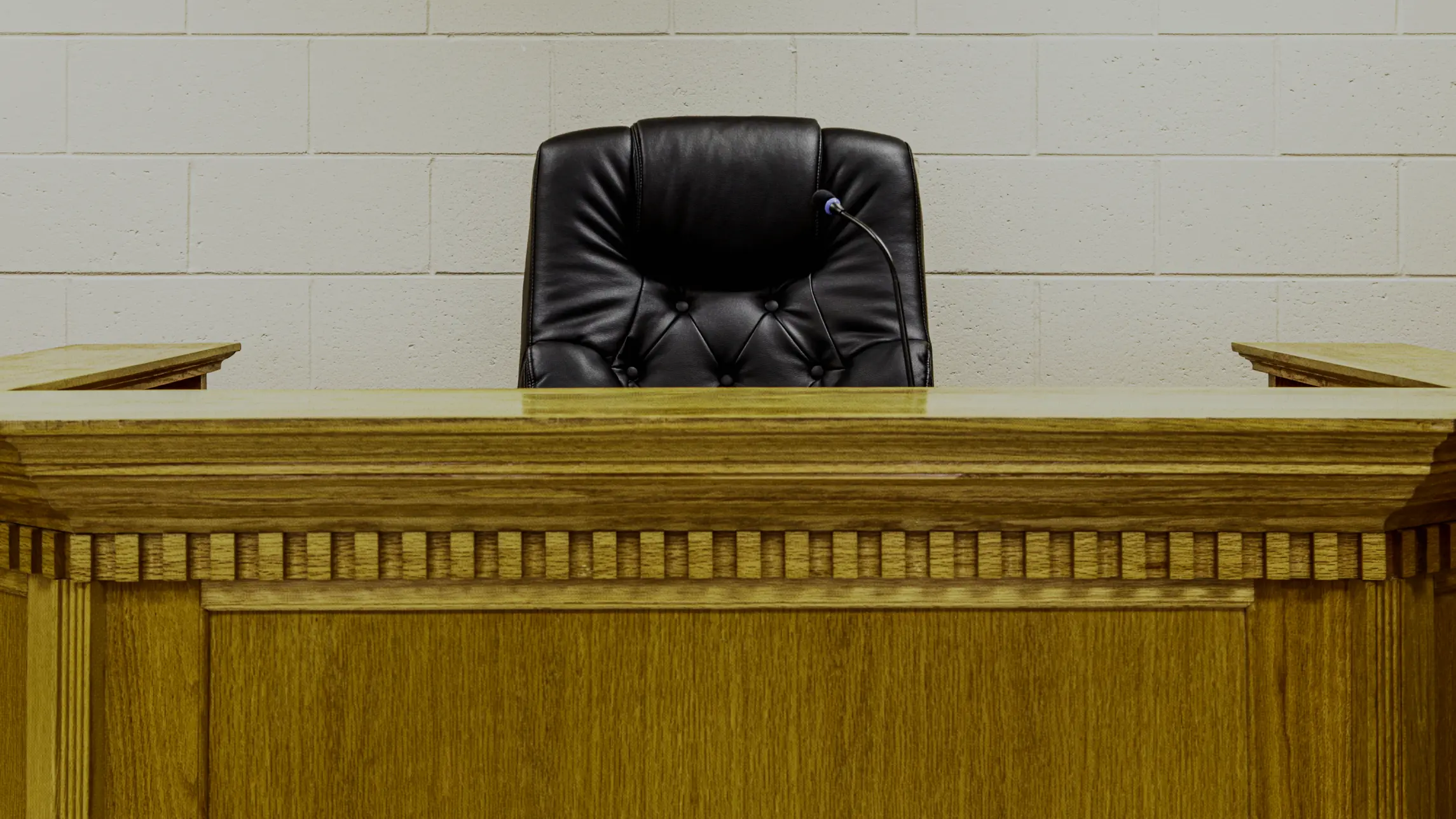
Empty judge's chair in courtroom

When Bond Is Not Immediately Available

In more serious cases, particularly when the underlying charge is a felony or there is a history of missed court dates, a judge may require a hearing before setting a new bond. Until that hearing occurs, the individual may remain in custody. Once the court confirms a bond amount, a licensed bail agent can post the required bond so release can proceed under the court’s conditions.

Voluntary Surrender vs. Arrest

In some situations, arranging a controlled surrender on an active warrant can prevent unexpected arrest during a traffic stop or workplace encounter. Procedures vary by county, but surrendering in coordination with a licensed bail agent may allow faster bond processing once eligibility is confirmed.

24-Hour Bail Bonds for Failure to Appear Warrants

Failure to Appear warrants often result in sudden arrests long after the original court date. BailBonds.com is available 24 hours a day to verify warrant status, confirm bond eligibility, and coordinate directly with the detention facility. Our agents confirm whether bond is preset or requires judicial review and route you to a licensed bail agent familiar with local procedures. Once bond is set, we act immediately to begin the release process.

Call now to speak with a licensed bail bond agent and start the process.