
Bail Bonds for Bad Check Charges

An arrest for issuing a bad check in Florida usually stems from allegations that a person knowingly wrote or delivered a check without sufficient funds in the account to cover it. While many people view these cases as simple banking disputes, Florida treats certain unpaid checks as criminal offenses rather than civil matters.

Bad check charges are commonly filed under Florida Statute 832.05, which addresses issuing worthless checks with intent to defraud. The classification of the charge depends largely on the amount of the check and the circumstances surrounding the transaction.

Some cases begin with a written demand for payment. If the amount is not resolved within the statutory timeframe, the matter can be referred for criminal prosecution. Once an arrest occurs and bail is set, a licensed bail agent can post the required bond so the defendant can be released while the case proceeds.
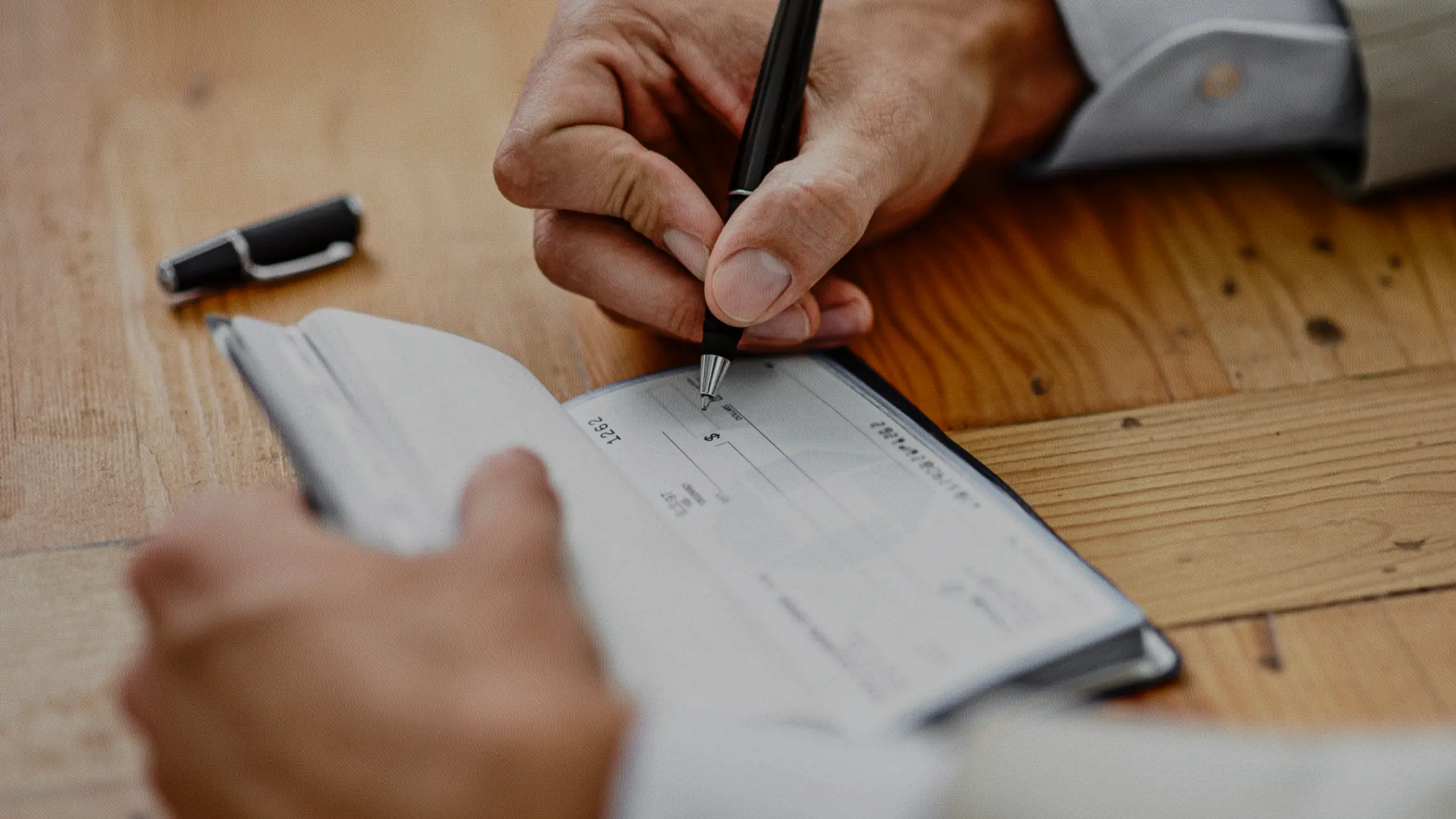

Person writing a check with ballpoint pen

When a Financial Dispute Becomes a Criminal Case

Not every returned check results in arrest. Criminal exposure typically arises when prosecutors believe there was intent to defraud at the time the check was written. That distinction matters.

The amount of the check often determines charge level. Smaller amounts may be charged as misdemeanors. Larger amounts can rise to felony classification, particularly when multiple checks are involved or the conduct is alleged to be part of a broader pattern. Courts also consider prior history. Repeat allegations can significantly affect bond.

How Bail Is Evaluated in Bad Check Cases

Bond in bad check cases is influenced less by public safety concerns and more by financial exposure and court appearance reliability. Judges may look at:

  • The total dollar amount involved
  • Whether there are multiple checks
  • Prior similar charges
  • Whether restitution has been made

If the charge is filed as a felony due to the amount or alleged scheme, bond increases accordingly. Once the court confirms bond, a licensed bail agent can post the bond so release can proceed.
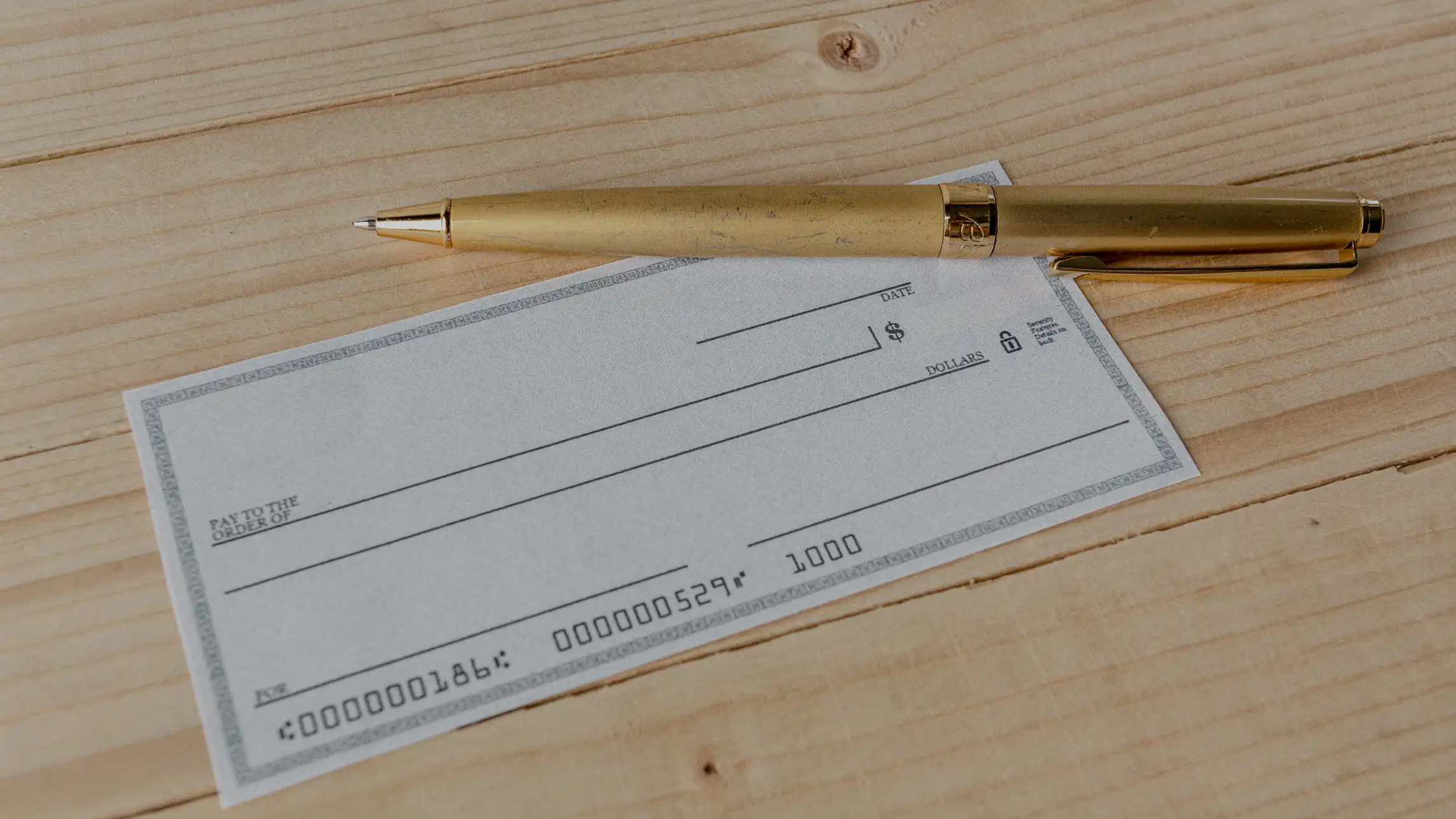
A blank check with a ballpoint pen

Restitution and Court Considerations

In many bad check cases, restitution becomes central to how the case resolves. Payment of the underlying amount does not automatically dismiss the charge, but it may influence negotiations and outcomes. Posting bond secures release from custody. It does not eliminate restitution obligations or pending court dates.

24-Hour Bail Bonds for Bad Check Charges

Financial crime arrests can occur unexpectedly, especially when an old warrant surfaces during a routine stop. BailBonds.com is available 24 hours a day to confirm bond amounts and begin the release process once eligibility is verified.

Our agents coordinate directly with the detention facility and route you to a licensed bail agent familiar with local procedures. Once bond is set, the process moves forward efficiently.

Call now to speak with a licensed bail bond agent and begin the process.