
Bail Bonds for Drug Crime Charges

Drug crime arrests in Florida cover a much broader category than trafficking, and most are prosecuted under Florida Statute 893.13. Many cases involve simple possession, possession of paraphernalia, possession with intent to sell, sale, manufacture, or delivery of a controlled substance. The bond issues in these cases depend less on a mandatory trafficking threshold and more on the type of substance, the amount involved, the specific charge filed, and whether the allegation includes intent to distribute.

A small possession case is treated very differently than a case involving sale, delivery, or possession with intent. A misdemeanor marijuana possession case, for example, does not move through court the same way as a felony cocaine possession or heroin sale case. The charge level drives the bond amount, and the charge level is often determined by the substance itself, the quantity, and the conduct police claim took place.

Once bail is set, a licensed bail agent can post the bond so the defendant can be released while the case moves through the court system.
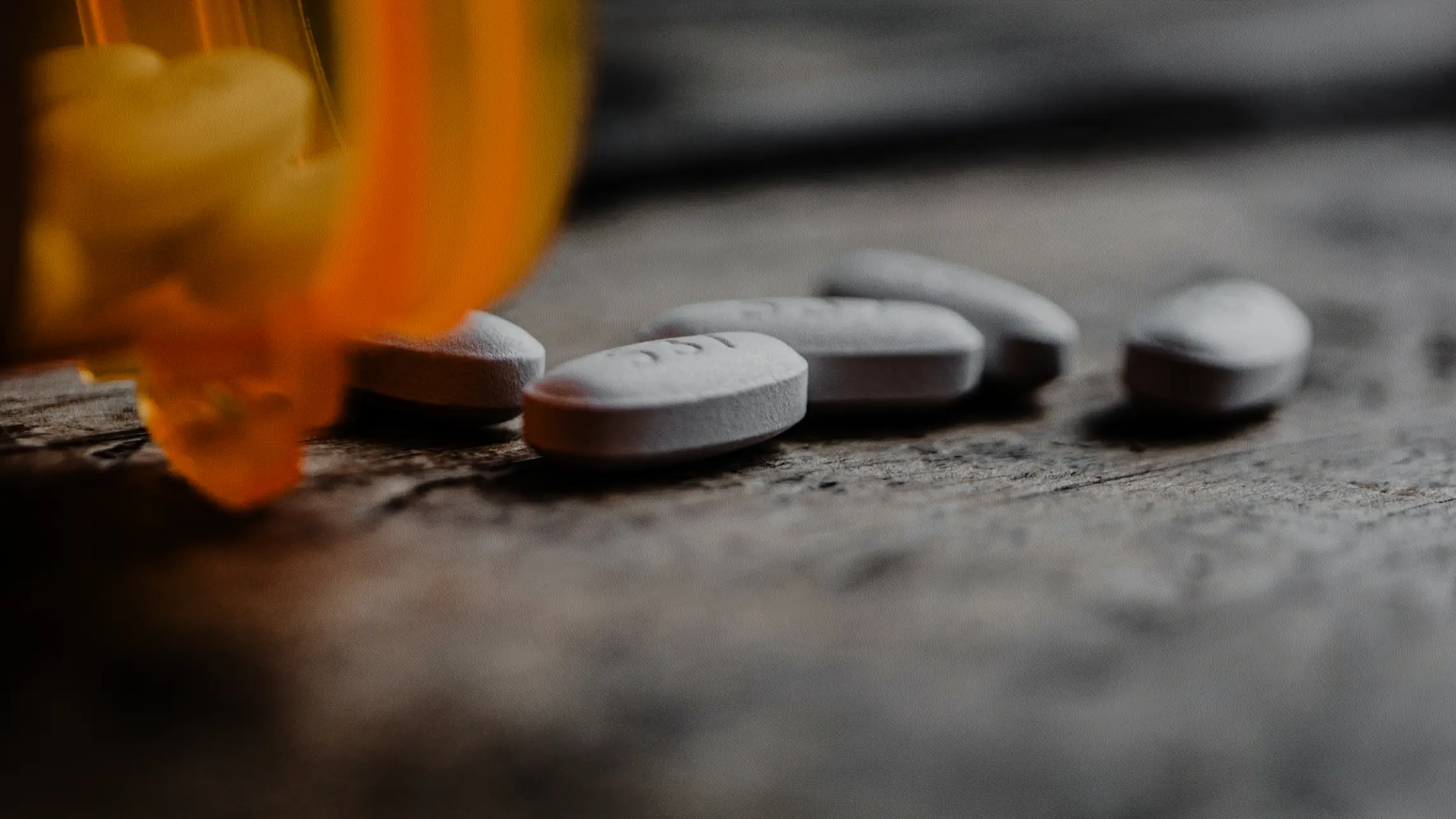

Close-up of prescription pills on table

Drug Crimes Are Not All Treated the Same

One of the most common mistakes families make is assuming all drug arrests fall into the same category. In Florida, they do not. Possession of a controlled substance may be charged as a felony even when the amount is relatively small. Sale or delivery charges are treated more seriously because the allegation goes beyond personal use. Possession with intent cases often turn on surrounding facts such as packaging, cash, communications, or other evidence police believe points to distribution. Manufacturing allegations can bring an even more serious response from the court, especially if the case involves a residence, minors, or hazardous materials.

How Florida Courts Set Bail in Drug Cases

In many counties, lower level drug cases begin with a standard bond schedule. That changes quickly when the court sees aggravating factors. Judges often focus on the type of substance, the seriousness of the charge, prior drug history, probation status, and whether the arrest involved related offenses such as weapons possession, resisting arrest, or child endangerment.

A possession case may receive a relatively moderate bond. A sale or delivery case usually brings a higher amount. A possession with intent charge often lands somewhere in between, depending on the facts described in the arrest report. The court is trying to measure both appearance risk and the seriousness of the alleged conduct, not just assign a number based on the drug name.

If bond is confirmed, a licensed bail agent can post the bond so release can proceed.

Why These Cases Can Escalate Quickly

Drug crime arrests frequently expand beyond the original stop or search. What begins as a simple possession investigation may turn into multiple charges if officers recover cash, scales, baggies, firearms, or communications that suggest distribution activity. The same arrest may also include charges tied to the vehicle, the home, or another person present at the scene.

That escalation matters at first appearance. The judge is not just looking at whether drugs were found. The judge is looking at how the case is framed by the arresting agency and whether the state is alleging personal use, intent to sell, sale, or manufacture. That difference is what separates a routine possession bond from a much more serious felony drug bond.

Men waiting in the dark under streetlights on their phones

What to Expect After a Drug Crime Arrest

After arrest, the defendant is booked into the detention facility and the charges are entered into the court system. Depending on the county and the charge level, bond may be assigned through a schedule or reviewed by a judge at first appearance. Once the bond amount is confirmed, a licensed bail agent can prepare the paperwork and post the bond with the facility.

Release timing depends on the jail’s procedures, workload, and whether the case includes any other holds or related charges. If the drug case is bundled with another allegation, all release issues must be cleared before the defendant can leave custody.

24-Hour Bail Bonds for Drug Crime Charges

Drug arrests often happen during traffic stops, search warrants, street investigations, or late night police encounters. BailBonds.com is available 24 hours a day to verify the bond amount, confirm the charge level, and begin the release process as soon as bond is authorized.

Our agents coordinate directly with the detention facility and route you to a licensed bail agent familiar with local procedures. If bail has been set, call now to begin the process immediately.